Cultivated Meat and Local Job Creation: Key Facts
New meat tech reshapes how we make food and builds jobs in many areas. By making real meat from cell parts and not killing animals, this work grows past labs...
Worlds First Cultivated Meat Shop: Read Announcement

New meat tech reshapes how we make food and builds jobs in many areas. By making real meat from cell parts and not killing animals, this work grows past labs...

The Food and Agriculture Organization (FAO) is shaping the future of cultivated meat by creating global standards to ensure its safety, quality, and market readiness. This work is crucial because...

Cultivated meat, grown from animal cells in a lab, raises questions about its compliance with halal and kosher dietary laws. These religious frameworks, deeply rooted in tradition, outline strict rules...

Producing meat is changing fast. Bioreactor-grown (cultivated) meat offers a new way to create meat without raising animals, potentially reducing costs, time, and resources. But how does it compare to...

Scaling bioreactors for cultivated meat is one of the toughest tasks in making lab-grown meat affordable and widely available. The main problem? Ensuring nutrients, oxygen, and other essentials reach all...

To win over UK consumers, cultivated meat must match or exceed the taste, texture, and overall experience of regular meat. Current products face challenges, with feedback often describing the texture...

Cultivated Wagyu is a new way to produce premium beef without farming cattle. Using advanced cell-growing techniques, it replicates the marbling, flavour, and texture of Wagyu beef while reducing resource...

When it comes to packaging for cultivated meat in the UK, the choice between biodegradable and recyclable materials is a balancing act. Each option has its own strengths and challenges,...

Debt financing is becoming a practical funding solution for cultivated meat startups in the UK. Unlike venture capital, which often misaligns with the longer timelines and high costs of this...

Nutrient bioavailability is all about how well your body absorbs and uses the nutrients in food. For cultivated meat, this means more than just matching the nutrients in conventional meat...

Cultivated meat is reshaping how we think about food production, but its nutritional profile, especially vitamin content, remains a key focus. Here's what you should know: Cultivated meat is grown...

Why? It uses fewer resources, emits less CO₂, and eliminates the need for livestock farming. But the real game-changer is adopting circular supply chains. Instead of the waste-heavy “take-make-dispose” model...

Cultivated meat, made from animal cells without traditional farming, is gaining traction as a sustainable food source. But consumer trust hinges on clear labelling, and countries are taking varied approaches...

Cultivated meat offers a promising alternative to conventional meat, matching or even surpassing its amino acid profile in some cases. Here's what you need to know: Both cultivated and conventional...

Cultivated meat is reshaping how we produce protein, using animal cells instead of livestock. With its potential to cut greenhouse gas emissions (15-18% globally from traditional farming) and reduce land...

Crafting the perfect aroma for cultivated meat is no small task. Replicating the smell of conventional meat involves understanding complex chemical reactions, such as the Maillard reaction and lipid oxidation,...
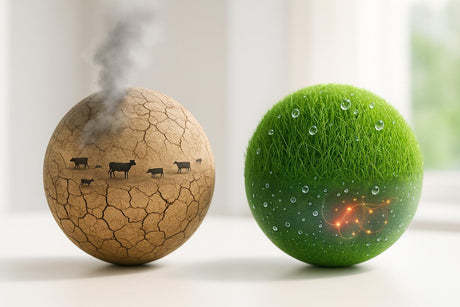
Meat production waste is a pressing issue. Traditional farming generates massive organic waste, while cultivated meat produces simpler by-products. Here's the key takeaway: cultivated meat could reduce waste, emissions, and...

Fat cells are the secret to making cultivated meat taste like the real thing. They drive flavour, texture, and aroma by mimicking the natural fats found in animal meat. Cultivated...

Cultivated meat must meet high standards for taste, texture, and safety to gain consumer trust and succeed in the UK market. However, ensuring consistency across batches is a major challenge...

The cultivated meat industry is transforming how we produce meat, but selecting the right stem cells remains a major challenge. Here's why it matters: Stem cells are critical: They form...

The growing demand for cultivated meat has spurred creative funding and community strategies. Companies like SuperMeat, Mosa Meat, and Cultivated Meat Shop have adopted distinct approaches to secure support and...
Access our interactive timeline checker to track when it arrives in your region