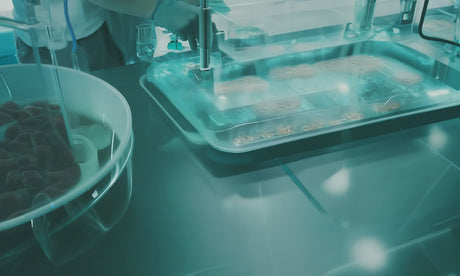
Cultivated meat is meat grown directly from animal cells, bypassing the need for traditional farming. Scientists use bioreactors to grow cells into muscle, fat, and connective tissue, creating meat that mimics the texture and flavour of conventional products.
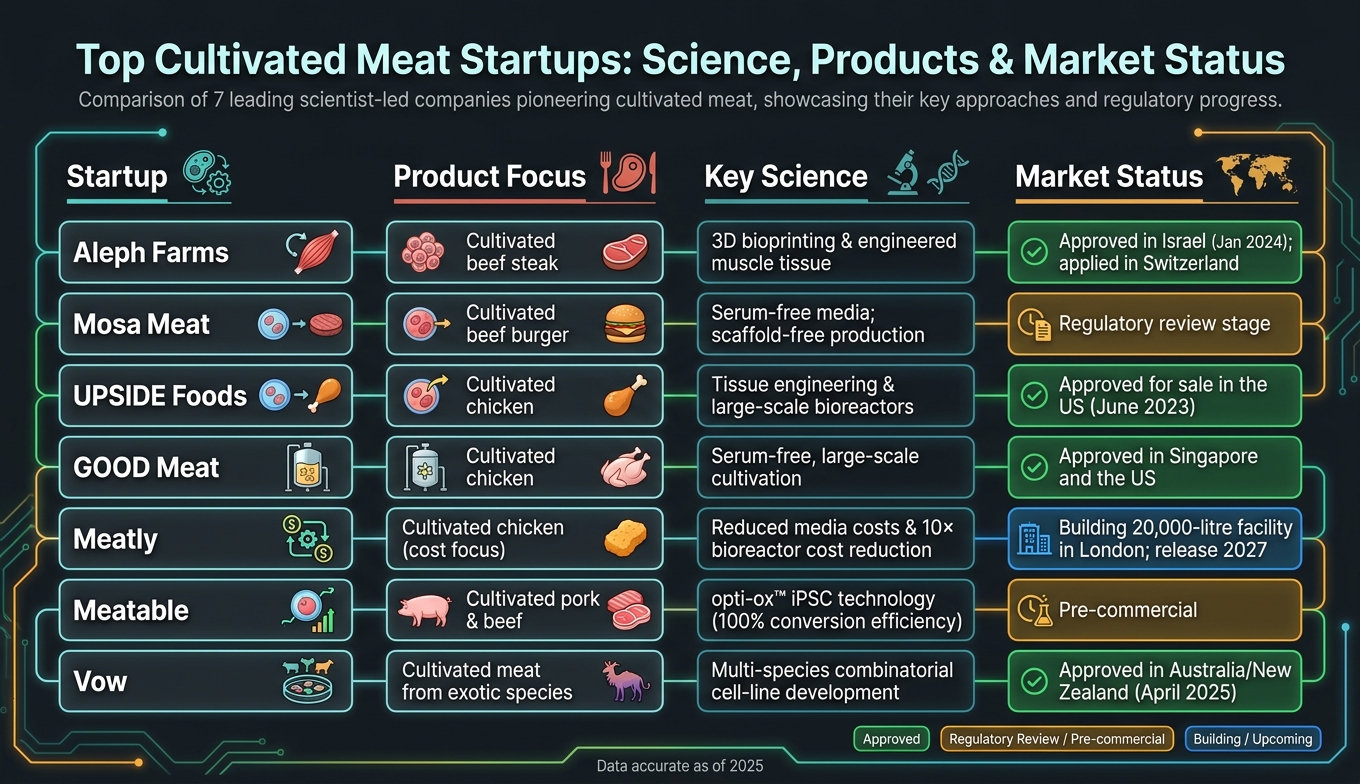
Top Cultivated Meat Startups: Science, Products & Market Status
The future of meat? Inside the Oxford-based startup turning cells into 'steaks'
sbb-itb-c323ed3
Why Scientists Are Leading the Way
Scientist-led startups excel in tackling challenges like scaling production, reducing costs, and meeting regulatory standards. With expertise in cell biology, tissue engineering, and bioprocessing, these teams are driving advancements in the field. For example:
- CellX has cut production costs to £79/kg and aims to lower this further within a decade.
- Aleph Farms and Mosa Meat focus on complex products like steaks and burgers, blending cultivated cells with plant-based components for texture and flavour. This hybrid approach is a key strategy for solving taste challenges in the industry.
Leading Startups at a Glance
Here’s a quick look at the top companies:
- Aleph Farms: Cultivated beef steaks, approved in Israel.
- Mosa Meat: Known for the first cultivated burger, now expanding in Europe.
- UPSIDE Foods: Pioneering cultivated chicken, approved in the US.
- Meatable: Producing pork and beef using advanced stem cell tech.
- Vow: Exploring exotic species like kangaroo for new culinary experiences.
Key Challenges Being Addressed
Startups are solving issues like:
- Texture: Using scaffolds and 3D tissue tech to replicate meat structure.
- Flavour: Cultivating fat to enhance taste.
- Cost: Developing affordable culture media and efficient bioreactors.
With progress accelerating, cultivated meat is closer than ever to becoming widely available, offering a new way to produce meat with fewer environmental impacts.
Top Scientist-Led Cultivated Meat Startups
Aleph Farms – Cultivated Whole-Cut Beef
Aleph Farms was co-founded by Prof. Shulamit Levenberg, a renowned tissue engineering expert recognised by Scientific American, alongside CEO Didier Toubia and Dr. Neta Lavon, who has two decades of experience in stem cell therapy. Their standout product, the Petit Steak, combines cultivated cow cells with a plant-protein matrix to mimic the texture and structure of a whole-cut steak. This approach addresses the complexity of creating steak-like products using only cultivated cells.
"The Petit Steak, like all products in Aleph Farms' pipeline, is made from blending cultivated meat with plant‐based ingredients. A hybrid, if you will." - Didier Toubia, Co-founder and CEO, Aleph Farms [2]
In January 2024, Aleph Farms secured regulatory approval from Israel's Ministry of Health for its "Aleph Cuts." However, the company opted to delay its commercial launch to focus on scaling production and lowering costs [2][4].
Mosa Meat – The First Cultivated Burger
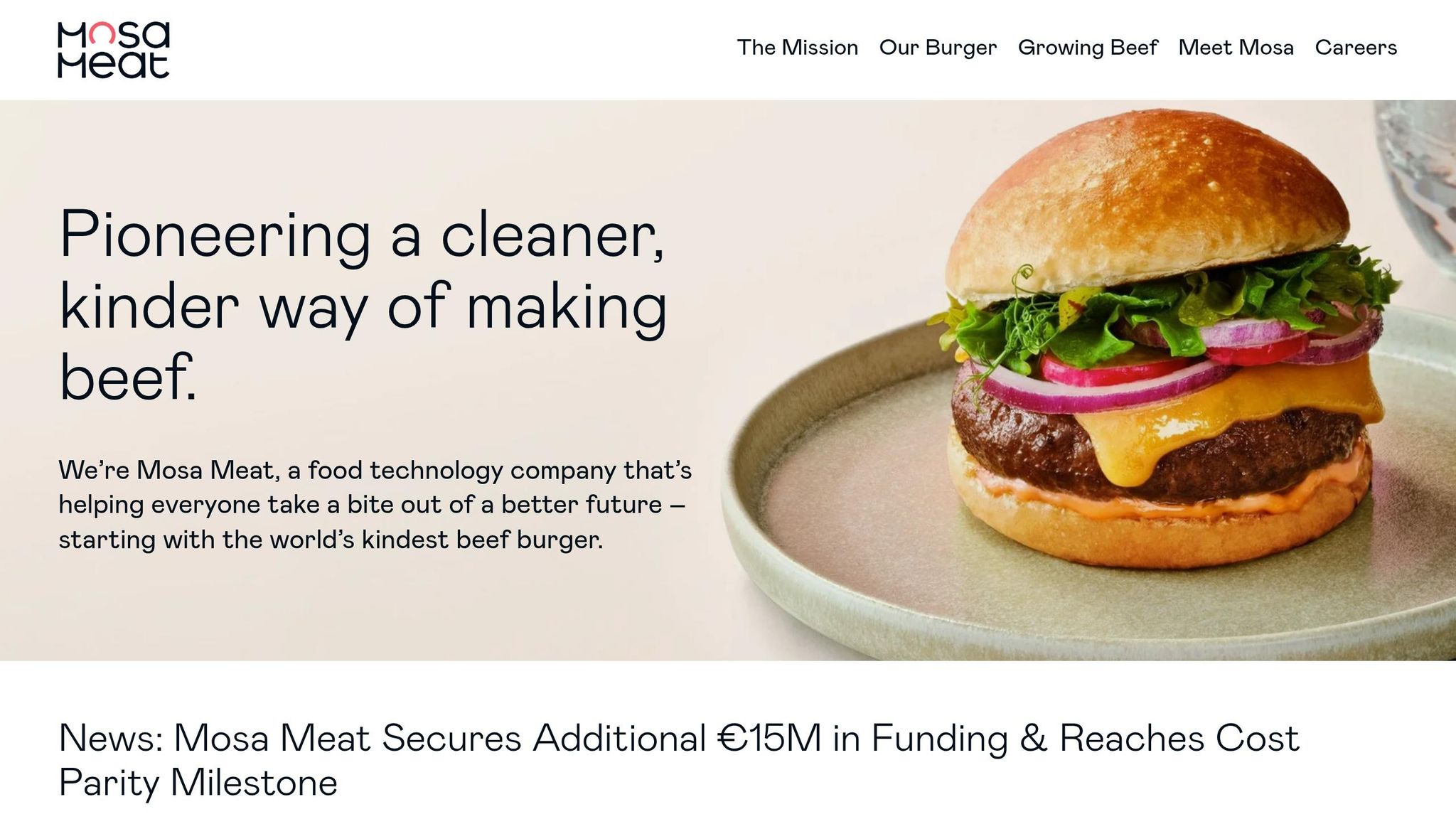
Mosa Meat made history by introducing the world's first cultivated burger. Developed by Prof. Mark Post, this groundbreaking burger debuted in 2013 with a staggering production cost of approximately £220,000 [3]. Since then, the company has refined its techniques, incorporating fat cells alongside muscle tissue to enhance the flavour of its cultivated beef burger compared to the earlier muscle-only version.
"The meat has become a lot tastier because we are now growing fat as well as muscle mass. And we no longer use any animal additives." - Maarten Bosch, CEO, Mosa Meat [3]
From a modest team of around 15 people in 2019, Mosa Meat has expanded to an estimated 120–130 employees by 2025/2026. The company is also advancing through an 18-month approval process with the European Food Safety Authority (EFSA) while constructing a pilot plant in Maastricht to prepare for its anticipated launch in the European market [3].
UPSIDE Foods – Cultivated Chicken at Scale
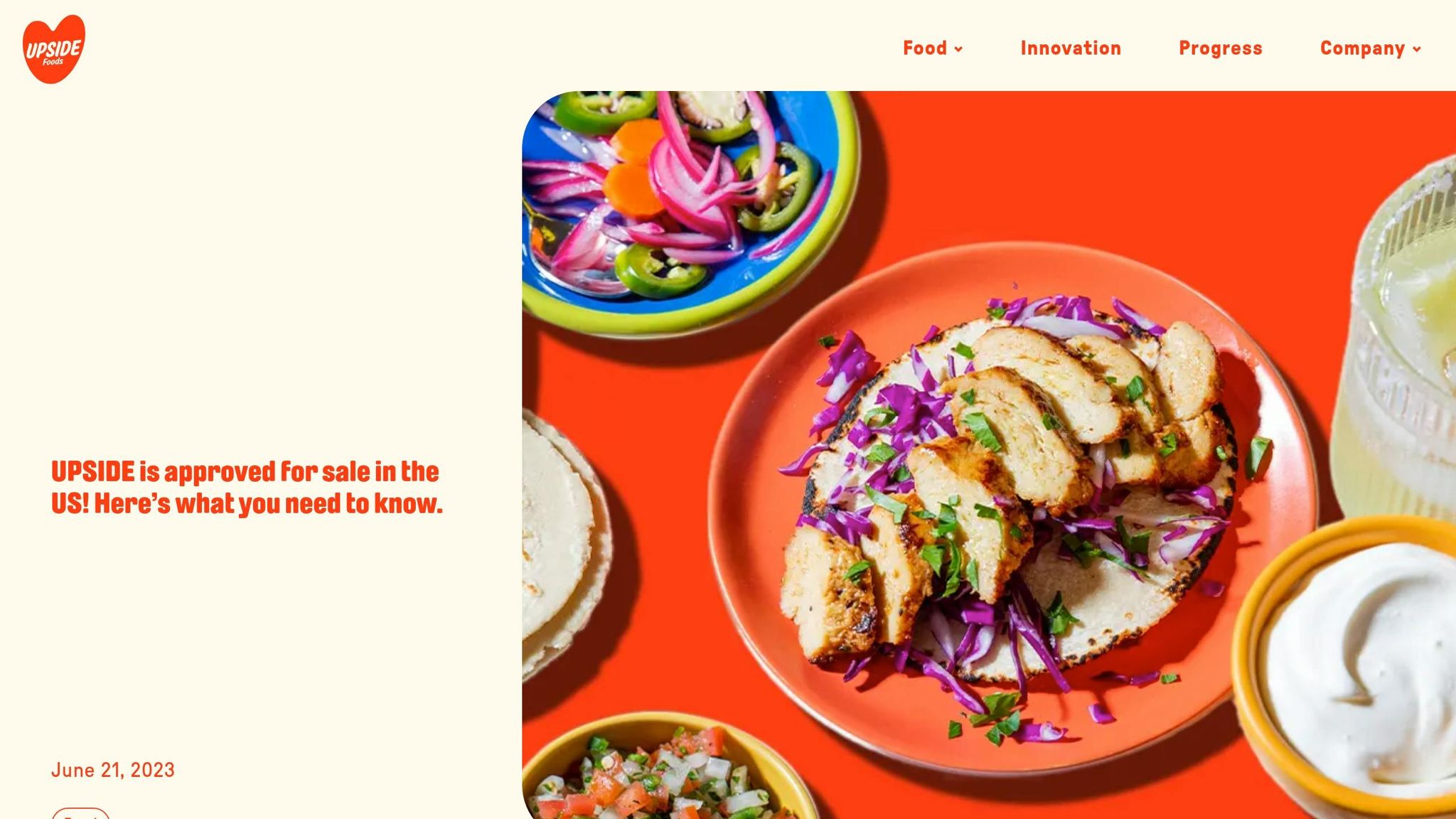
UPSIDE Foods has taken cultivated chicken production to new heights by applying principles of regenerative medicine. Founded by Dr Uma Valeti, a cardiologist, the company adapts tissue-growing techniques traditionally used in medicine to create food. Dr Valeti's expertise has been instrumental in establishing a robust approach to cell biology and safety, enabling UPSIDE Foods to become one of the first companies worldwide to receive regulatory approval for cultivated chicken in the United States.
Using proprietary cell lines and scalable bioreactor systems, UPSIDE Foods produces cultivated chicken at a scale that sets it apart as one of the most advanced operations in the sector.
More Scientist-Led Startups Worth Knowing
Believer Meats – Cost-Efficient Cultivated Chicken
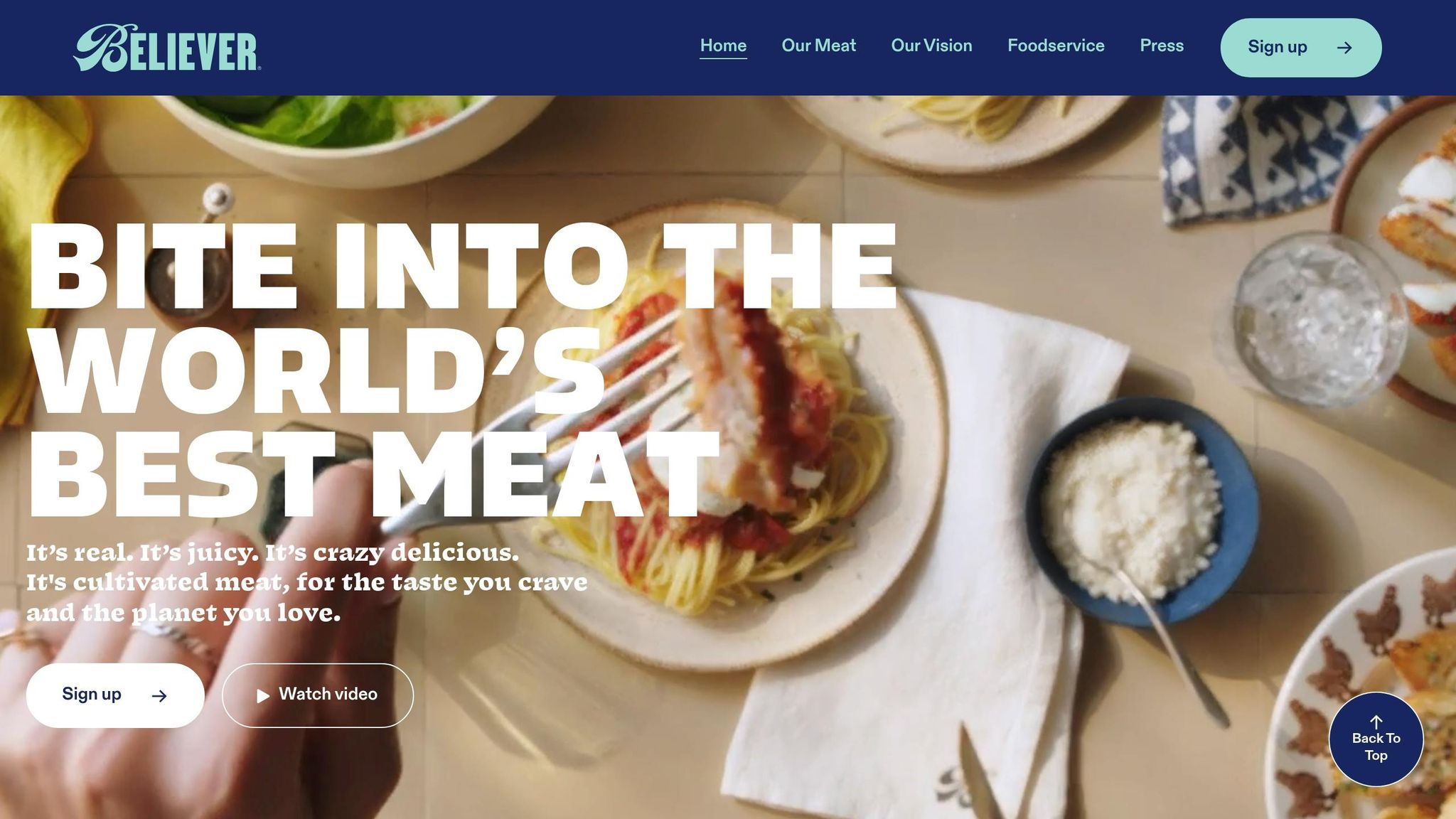
Believer Meats is tackling one of the biggest challenges in cultivated meat: cost. With a team deeply rooted in stem-cell biology, they focus on engineering processes that make cultivated chicken more affordable. Their ultimate aim is to achieve price parity with traditionally farmed poultry, making their science-driven approach a practical step towards commercial viability. This focus on economics sets Believer Meats apart as a company prioritising accessibility alongside innovation.
Another forward-thinking company, Meatable, is using advanced stem cell technology to push the boundaries of cultivated meat production.
Meatable – Cultivated Pork and Beef via iPSC Technology
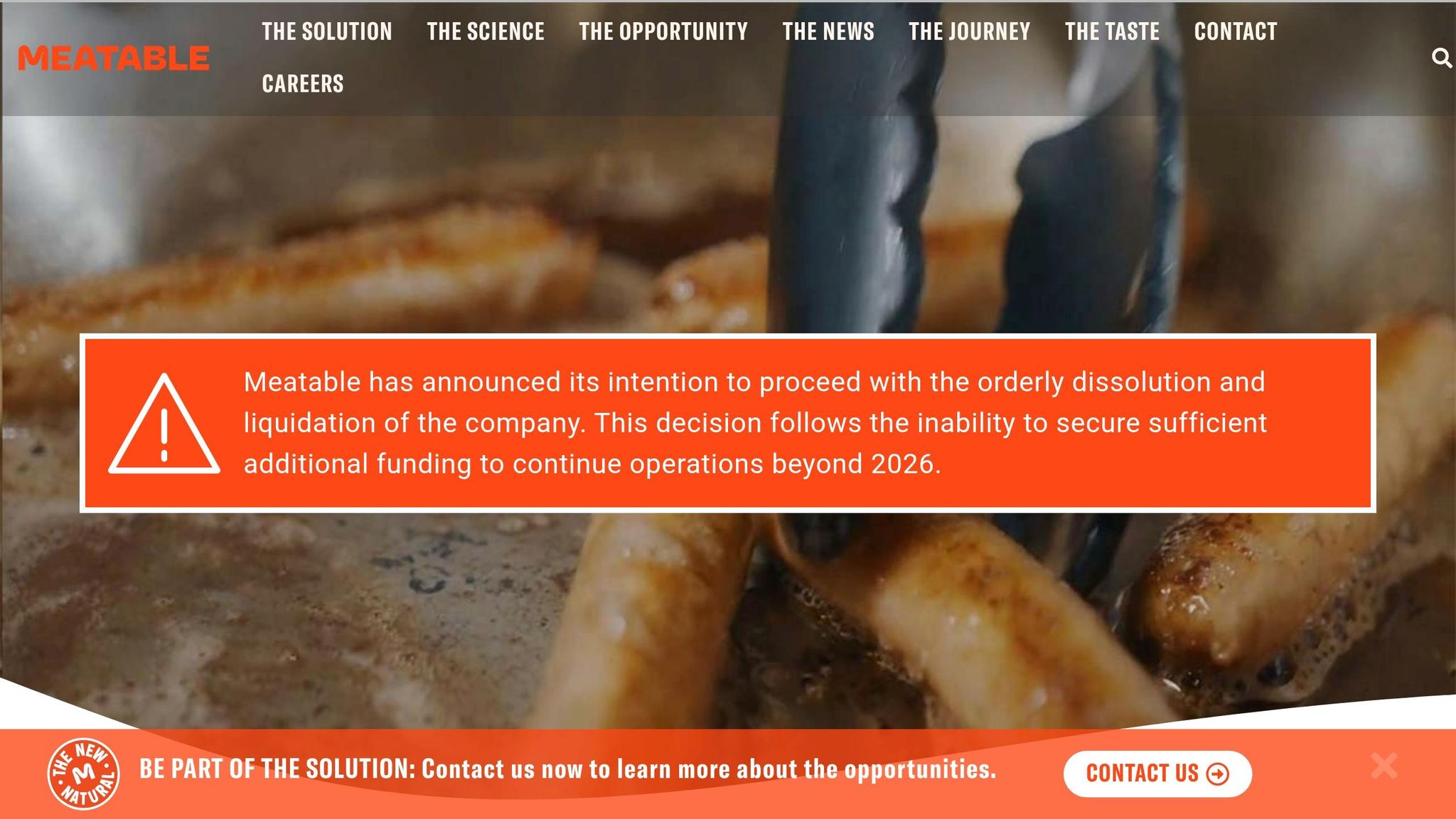
Founded in 2018, Meatable was the brainchild of Mark Kotter, a neurosurgeon and stem cell biologist from the University of Cambridge, and Daan Luining [1]. The company leverages pluripotent stem cells (PSCs) - cells that can be turned into any type of cell - alongside a patented technology called opti-ox™ (optimised inducible overexpression). This technology, originally developed at Cambridge and licensed from bit.bio (another company founded by Kotter), is at the heart of Meatable's process [1][5].
Meatable claims an impressive 100% efficiency in converting cells into muscle or fat. Their process is over 16 times faster than traditional livestock production and achieves a feed conversion ratio that's about twice as efficient.
"Meatable works with patented technology, opti-ox™. It is the only method to grow real muscle and fat cells from pluripotent stem cells (PSCs) at speed, and at 100% efficiency." - Meatable [5]
This breakthrough enables them to produce ground pork and beef products on a scalable level, bypassing the inefficiencies of conventional farming.
While Meatable focuses on familiar proteins, Vow is taking a different route by exploring the potential of exotic species.
Vow – Cultivated Meat from Exotic Species

Vow stands out with its unconventional approach. Instead of sticking to traditional meats, their scientific team uses combinatorial cell-line development to work with a wide variety of animal species. This approach has led them to cultivate meat from animals like kangaroo, offering flavour profiles and textures that are entirely new to the market. By focusing on species not typically found on supermarket shelves, Vow is pushing the boundaries of what cultivated meat can offer. Their work highlights a bold vision aimed at expanding the possibilities of taste and culinary experience.
How Scientist-Led Startups Are Shaping Cultivated Meat's Future
How Science Is Solving Texture, Flavour, and Cost
Startups led by scientists are tackling the biggest hurdles in cultivated meat: texture, flavour, and cost.
Texture improvements come from innovations like scaffolding and organoid technology. These methods help cells grow into structured muscle fibres and create 3D micro-tissues that include fat and connective tissue, mimicking the natural texture of meat.
Flavour relies heavily on fat. Researchers at Tufts University have developed techniques to mass-produce cultivated fat tissue using binders like alginate and microbial transglutaminase. These replicate the lipids responsible for meat’s aroma and taste. Interestingly, consumer tests show that beef with around 36% fat content scores the highest for both taste and texture [6].
"We continue to look at every aspect of cultured meat production with an eye toward enabling mass production of meat that looks, tastes, and feels like the real thing." - David Kaplan, Professor of Biomedical Engineering, Tufts University [6]
Cost is another area seeing major breakthroughs. UK-based Meatly has developed a protein-free cultivation medium costing just £0.22 per litre. By also slashing bioreactor costs by a factor of 10, they’re gearing up to scale production at a new 20,000-litre facility in London by 2027 [9].
These advancements not only enhance the quality of cultivated meat but also make it more accessible, empowering consumers to make informed choices.
How Cultivated Meat Shop Helps Consumers Stay Informed
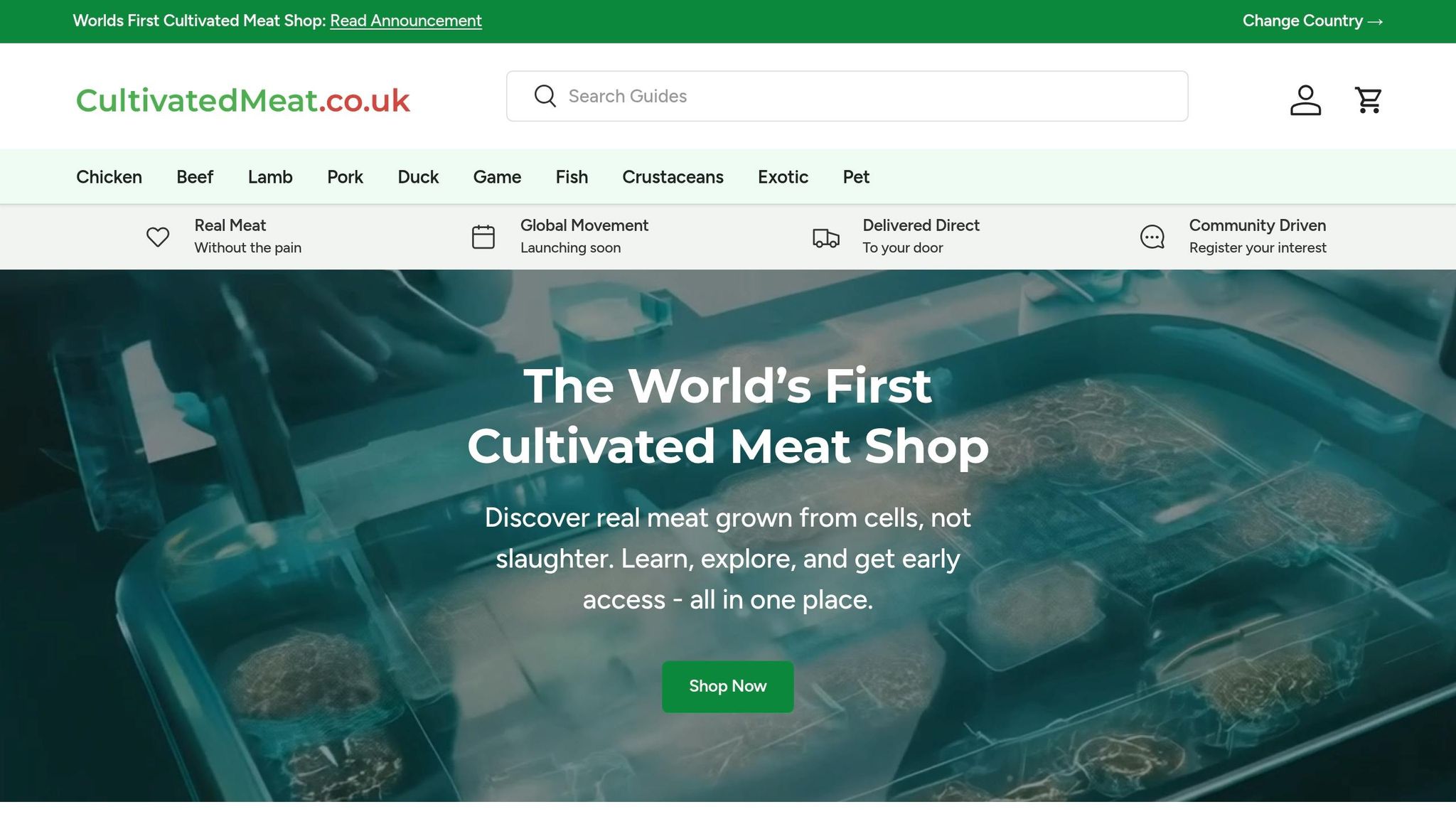
While scientific progress drives the industry forward, keeping consumers informed is equally important. Cultivated Meat Shop, the first-ever consumer platform dedicated to this field, provides straightforward and trustworthy information. It covers how cultivated meat is made, what it tastes like, and when it might hit UK shelves. Visitors can explore product previews, dive into educational articles, and even join a waitlist to stay ahead of the curve.
Startup Comparison: Products, Science, and Market Readiness
Here’s an overview of leading scientist-led startups that are blending advanced science with growing market potential:
| Startup | Product Focus | Key Scientific Approach | Market Status |
|---|---|---|---|
| Aleph Farms | Cultivated beef steak | 3D bioprinting & engineered muscle tissue | Approved in Israel (January 2024); applied in Switzerland [7] |
| Mosa Meat | Cultivated beef burger | Serum-free media; scaffold-free production | Regulatory review stage |
| UPSIDE Foods | Cultivated chicken | Tissue engineering & large-scale bioreactors | Approved for sale in the US (June 2023) [8] |
| GOOD Meat | Cultivated chicken | Serum-free, large-scale cultivation | Approved in Singapore and the US [8] |
| Meatly | Cultivated chicken (cost focus) | Reduced media costs & 10× bioreactor cost reduction | Building a 20,000-litre facility in London; release in 2027 [9] |
| Meatable | Cultivated pork & beef | opti-ox™ iPSC technology (100% conversion efficiency) | Pre-commercial [1][5] |
| Vow | Cultivated meat from exotic species | Multi-species combinatorial cell-line development | Approved in Australia/New Zealand (April 2025) [7] |
The gap between the most advanced startups and general market availability is shrinking fast. With regulatory approvals now covering countries like Singapore, the US, Israel, and Australia, it’s becoming less about if cultivated meat will become widely available in the UK and more about when.
Conclusion
The startups mentioned earlier are reshaping the meat industry by blending science with creativity. Companies like Aleph Farms, Mosa Meat, and Meatly share a common focus: applying advanced scientific methods, such as those used in vaccine production and tissue engineering, to tackle hurdles like cost, texture, and scalability.
The progress in this field is undeniable, and the momentum behind cultivated meat, spearheaded by scientists, continues to build.
"Rethinking how we produce protein is an essential part of tackling the climate crisis." - Connor Duffy, Investment Manager, Clean Growth Fund [9]
For consumers in the UK, the arrival of cultivated meat is no longer a matter of if, but when. Staying updated through resources like Cultivated Meat Shop allows you to stay ahead of the curve. From product previews and informative articles to joining the waitlist for future launches, these platforms offer a window into this transformative shift in meat production. As these advancements edge closer to market availability, UK consumers are on the brink of experiencing a revolutionary change in how meat is produced, thanks to the dedication of these forward-thinking startups.
FAQs
When will Cultivated Meat be available in the UK?
Cultivated meat is expected to hit the UK market by around 2027, subject to regulatory reviews and approvals from the Food Standards Agency. When it does become available, it’s likely to debut in small quantities, primarily featured on the menus of high-end restaurants.
Is Cultivated Meat safe to eat?
Cultivated meat is considered safe for consumption when produced under strict regulatory guidelines. Key components, such as culture media and scaffold materials, are required to comply with food safety standards. Continuous research and evolving regulations play a crucial role in ensuring consumer safety, with global organisations actively working to uphold rigorous safety measures.
Why is Cultivated Meat still so expensive?
Cultivated meat is still expensive, primarily because scaling up production is no easy feat. The industry faces hurdles like creating large-scale bioreactors, perfecting cell cultivation media, and boosting overall efficiency. Each of these steps demands cutting-edge technology and hefty financial backing, which drives up the costs. However, as the sector matures and technology advances, prices are likely to come down in the future.