TikTok is changing how people, especially younger generations in the UK, think about cultivated meat - meat grown from animal cells without farming or slaughter. Through short, engaging videos, TikTok introduces this concept, highlights its benefits (like reduced emissions and no antibiotics), and addresses common misconceptions. Here’s what you need to know:
- Cultivated Meat Basics: It’s real meat grown in controlled environments, offering potential benefits like lower water use and ethical appeal.
- TikTok’s Role: Viral formats - taste tests, recipes, explainers - make the idea accessible and spark curiosity.
- Consumer Interest: Younger audiences (Gen Z, Millennials) are more open to trying cultivated meat, with 40% of UK adults expressing curiosity.
- Challenges: Misconceptions about safety, naturalness, and production methods spread quickly but can be countered by experts and accurate content.
- Influencers Matter: Chefs, scientists, and sustainability advocates play a key role in building trust and shaping perceptions.
TikTok is not just a platform for fun videos - it’s creating awareness and shaping attitudes toward cultivated meat, setting the stage for its future in the UK.
How TikTok Influences Food Perceptions
TikTok has become a major force in shaping how young Britons discover and embrace new foods. Unlike traditional media, where brands control the narrative, TikTok gives everyday creators the power to share short, engaging videos that can shift perceptions. A single viral clip can redefine what young Britons view as exciting, normal, or worth trying.
This influence is especially relevant when it comes to cultivated meat. TikTok has the ability to take niche ideas and make them mainstream, introducing millions of young people to cultivated meat before they even see it in shops or restaurants. These videos don’t just entertain - they also shape how this new food category is perceived.
Common Food Content Formats on TikTok
Food content on TikTok thrives through specific formats that both entertain and influence:
- Quick recipe videos: These show step-by-step food preparation, often with close-ups and text overlays. For cultivated meat, a simple video of someone cooking a cultivated burger can normalise the product more effectively than a lengthy explanation ever could.
- "What I eat in a day" videos: These creator-led food diaries weave meals into broader lifestyle narratives. Featuring cultivated meat in a day focused on sustainability or flexitarian eating can make it feel aspirational rather than experimental.
- Taste tests and first impressions: Creators film their initial reactions in short clips. A positive response - like someone saying, "This actually tastes like real chicken!" - can build trust, while a sceptical reaction could quickly spread doubt if it goes viral.
- Food hacks and challenges: Playful videos encourage viewers to experiment with ingredients or recreate dishes. A challenge like "try the future of meat" could make cultivated meat feel approachable and fun.
- Educational explainers and duets: Nutritionists, chefs, and science communicators break down complex topics into bite-sized segments. TikTok’s duet and stitch features allow creators to respond directly to viral clips, spreading accurate information in an engaging way.
These formats help position cultivated meat as innovative and forward-thinking while keeping the content relatable and entertaining.
Sustainability and Novel Foods on TikTok
TikTok has vibrant communities centred on sustainability, where creators discuss topics like reducing food waste and comparing the environmental impact of different proteins. These videos often highlight sustainable swaps available in popular UK supermarkets, linking everyday choices to broader concerns like emissions and animal welfare.
This approach has already worked well for plant-based products. Videos showing side-by-side comparisons of traditional and alternative proteins, or personal stories about switching to meat-free options, have made these choices feel normal and accessible to younger audiences. The same methods can help cultivated meat gain traction. Short, engaging explainers that connect cultivated meat to benefits like lower emissions fit seamlessly into TikTok’s sustainability conversations. With 75% of Gen Z considering sustainability when buying fresh meat, this type of content resonates strongly [3].
Novel foods often make their TikTok debut through specific pathways. Launch-day taste tests, often tied to new product releases in major chains, generate immediate excitement. Behind-the-scenes content showing how the food is made can address concerns about the "unnaturalness" of new technologies. Ethical and environmental debates frequently unfold in the comment sections, where creators and experts add their perspectives.
Audience reactions usually fall into three categories: curiosity ("I want to try this"), scepticism ("Is this really safe?"), and humour (with memes either normalising or mocking the product). Early TikTok content about cultivated meat in other markets has sparked significant interest among younger users, alongside concerns about safety and whether it qualifies as "real" meat. These reactions align with survey data showing that many consumers remain uncertain about what to expect [1][2].
Such discussions set the stage for addressing the myths and misconceptions that can arise on the platform.
Addressing Misconceptions on TikTok
While TikTok can highlight the benefits of cultivated meat, it’s also a space where misconceptions spread quickly. The platform’s fast-paced, algorithm-driven nature can amplify both accurate and false information. Some common myths about cultivated meat include:
- "It’s fake or highly processed": Many people mistakenly believe cultivated meat is artificial, despite it being real animal meat grown from cells. In the US, 38% of consumers are familiar with the term "lab-grown" meat, compared to just 23% for "cultivated", which reinforces the perception of it being overly clinical [1].
- "It’s made in tiny lab dishes": Viral clips showing research labs can unintentionally make the production process seem experimental, ignoring the reality of large-scale, food-grade facilities.
- "It’s unsafe or full of chemicals": Some viewers assume cultivated meat is less nutritious or loaded with additives. However, studies show that 44–45% of Americans expect it to be as nutritious or even better than conventional meat, though a significant number remain unsure [1].
- Confusion with GMOs or plant-based products: Limited awareness and unclear messaging often lead to misunderstandings about what cultivated meat actually is.
TikTok offers tools to counter these myths effectively. Features like duets and stitches allow experts - such as dietitians, food scientists, and communicators - to address viral misinformation directly. Side-by-side comparisons using infographics or on-screen text can clarify misconceptions, while story-driven videos walking viewers through the production process make the concept more relatable.
Consistency is key. Posting a series of short videos, each tackling a specific misconception, can reinforce accurate information over time. For example, a set of clips explaining that cultivated meat is real animal meat, highlighting regulatory oversight, and summarising its safety and environmental benefits can build trust.
Interactive features, like comments, Q&A stickers, and live streams, also play a crucial role. These tools enable creators to engage directly with their audience, answer questions, and challenge false claims in real time. For cultivated meat, this means that knowledgeable creators and organisations can use TikTok to foster ongoing conversations, clear up doubts, and guide audiences towards a better understanding of this emerging food option.
Cultivated Meat Narratives and Influencers on TikTok
TikTok has become a stage where cultivated meat is presented through recurring themes, amplified by the voices of trusted influencers. These narratives can spark curiosity and excitement, but they can also raise doubts.
By understanding these themes and the influencers sharing them, we get a clearer picture of how TikTok is quietly shaping public perceptions of cultivated meat in the UK. This foundation also helps us explore how influencers play a role in steering these conversations.
Key Narratives Around Cultivated Meat
When it comes to cultivated meat, four main themes dominate TikTok discussions. These themes strike a chord with younger audiences by aligning with their values and priorities.
Sustainability and climate impact are central to many videos. Creators often draw comparisons between the environmental footprint of cultivated meat and traditional farming. They highlight benefits like reduced emissions, lower land use, and less water consumption. These points are often backed by quick graphics or personal stories about making eco-friendly food choices, reflecting Gen Z's growing interest in sustainability.
Animal welfare is another powerful angle. Many videos describe cultivated meat as "slaughter-free" or "meat without harm", appealing to those who care about animals but aren't ready to give up eating meat. This narrative positions cultivated meat as a practical, guilt-free option that benefits both consumers and animals.
Innovation and the future of food frame cultivated meat as something exciting and forward-looking. Phrases like "the future is here" or "this is what we'll all be eating in 10 years" are common, portraying early adopters as trendsetters. The focus here isn’t on the technical details but rather the thrill of being part of something new and transformative.
Safety and health concerns bring a mix of reassurance and doubt. While some creators emphasise the controlled production process and the absence of antibiotics, others question the naturalness of the product. Health-related messaging, however, resonates strongly, with 55% of consumers finding it appealing [1].
Balancing these narratives is essential. When sustainability, animal welfare, and innovation take centre stage, cultivated meat feels exciting and aspirational. But if safety concerns aren't addressed, they can undermine trust and enthusiasm.
How Influencers Shape Perceptions
Different types of influencers play a key role in building trust and sparking interest in cultivated meat.
Food and lifestyle creators bring cultivated meat to life as a culinary experience. They focus on taste, texture, and how it fits into everyday meals. A foodie's "first bite" video, for instance, showcasing how cultivated meat tastes "just like real meat", can normalise the product far more effectively than a scientific breakdown.
Chefs and cooking influencers lend credibility by showing how cultivated meat works in familiar dishes. When a trusted chef prepares a meal using cultivated meat, it helps reduce any initial hesitation by making the product feel approachable and legitimate.
Science communicators and educators tackle the "how it's made" aspect in ways that are easy to understand. They often use relatable analogies - like comparing cultivated meat production to growing plants in a controlled environment - to simplify the science. By addressing safety concerns and explaining the process, they help counter misinformation and build trust.
Sustainability and ethics advocates connect cultivated meat to broader goals like climate action and animal welfare. They frame it as a meaningful choice that aligns with personal values, particularly appealing to the 17% of meat consumers known as "Sustainability Enthusiasts", who prioritise eco-conscious decisions when buying meat [4].
The most impactful content often combines these perspectives. For example, a chef's taste test paired with a scientist's explanation can balance novelty with reassurance. Collaborations, duets, and interconnected content from different creators help form a well-rounded narrative that addresses both practical and ethical concerns.
Platforms like Cultivated Meat Shop support these influencers by offering clear, accurate information they can use in their content. With resources like easy-to-understand explainers and answers to common questions, influencers can keep their messaging both engaging and factual.
Sentiment and Emotional Appeal
Influencers don’t just inform - they evoke emotions that shape how viewers feel about cultivated meat. TikTok content on this topic stirs a wide range of reactions, from curiosity to scepticism.
Curiosity and excitement shine through in "first taste" and "future of food" videos. Creators often express genuine amazement with phrases like "I can't believe this is real" or "this is what we've been waiting for." This sense of discovery encourages viewers to learn more and eventually try cultivated meat. Research shows that younger consumers are particularly open to giving it a go when they have the chance.
Scepticism surfaces in videos questioning whether cultivated meat is "real" or safe. Some creators voice doubts or confusion, while others openly criticise the concept. The comment sections on these videos often become spaces for debate. Supporters highlight sustainability and animal welfare, while critics raise concerns about naturalness or safety. Interestingly, male consumers (36%) are more receptive to cultivated meat than female consumers (20%) [1].
Humour and memes also play a role in shaping perceptions. Many creators use jokes - sometimes calling it "lab meat" - or exaggerated reactions to make the topic feel less intimidating. When done right, humour can normalise cultivated meat and make it part of everyday conversation rather than a divisive issue.
Values-driven enthusiasm emerges when creators tie cultivated meat to ethical choices. Videos showing people choosing cultivated meat for moral reasons create a strong sense of identity, positioning it as a lifestyle choice aligned with their values.
This mix of emotional tones keeps the conversation lively and relatable. While purely technical information might educate, it rarely inspires. By blending curiosity, authenticity, and values-based messaging, TikTok creators foster the emotional connection needed to raise awareness and encourage people to try cultivated meat.
Impact of TikTok on Consumer Behaviour
TikTok is playing a pivotal role in shaping how UK audiences perceive and engage with Cultivated Meat. By appealing to younger generations, the platform is helping to build awareness and shift attitudes, potentially turning curiosity into action as Cultivated Meat becomes more accessible.
Awareness and Interest in Cultivated Meat
In the UK, awareness of Cultivated Meat remains relatively low, making TikTok an ideal platform to educate and inform. Currently, only 10% of UK consumers say they would definitely try Cultivated Meat, while 28% would probably give it a go[2]. This highlights a clear opportunity to use the platform to demystify the concept and explain the science behind it.
TikTok’s younger audience is particularly promising in this regard. Research shows that 32% of Gen Z and 36% of Millennials are highly likely to try Cultivated Meat if offered a free sample, compared to just 23% of Gen X and 24% of Baby Boomers[1]. However, terminology matters - while 38% of people recognise "lab-grown" meat, only 23% are familiar with the term Cultivated Meat[1]. When TikTok creators take the time to break down the technology in simple terms, audiences find it far more appealing.
The platform’s short-form video format is especially effective for tackling complex topics. Creators often use engaging visuals and analogies to explain how Cultivated Meat is made, why it’s a viable alternative, and what sets it apart - all while keeping the tone light and entertaining. Resources like Cultivated Meat Shop provide accurate, UK-specific information that influencers can reference, helping viewers move from initial curiosity to a deeper understanding. This clarity is essential for encouraging consumers to consider trying Cultivated Meat.
Shaping Willingness to Try Cultivated Meat
Awareness is just the first step; encouraging people to try Cultivated Meat requires thoughtful, multi-layered messaging. Health benefits are particularly persuasive - 55% of consumers are drawn to the reduced risk of foodborne illnesses and the absence of hormones, antibiotics, and steroids[1]. Environmental and taste-related benefits are also compelling, with 47% of consumers responding positively to these messages[1].
Wellness appears to be the main motivator, with 83% of consumers prioritising health when choosing protein options[4]. On TikTok, creators often combine these benefits into relatable stories. For example, when trusted influencers showcase how Cultivated Meat mirrors the taste and texture of traditional meat, it can build confidence more effectively than a detailed scientific breakdown.
That said, nutritional doubts remain a barrier. Between 28% and 39% of consumers are unsure whether Cultivated Meat is nutritionally comparable to conventional meat, even though 44–45% believe it could be as good or better in areas like protein content and saturated fat levels[1]. TikTok has the potential to address this uncertainty with straightforward, digestible content that highlights nutritional benefits without overwhelming viewers with excessive detail.
Generational and Regional Differences
Consumer responses to Cultivated Meat vary widely across demographics, and TikTok reflects these trends. Younger audiences, particularly Gen Z and Millennials, are far more open to the idea. With 32% of Gen Z and 36% of Millennials expressing a strong willingness to try Cultivated Meat[1], these groups form the platform’s core audience. Additionally, 75% of Gen Z consider environmental factors when buying fresh meat, suggesting that sustainability-focused messaging resonates strongly with them[4].
Regional differences also play a part. For instance, German consumers aged 18 to 24 show over 80% willingness to buy Cultivated Meat, while French consumers are more hesitant[2]. In the UK, attitudes are moderate, with TikTok trends reflecting this cautious optimism. Gender differences are notable too - 36% of men are open to trying Cultivated Meat, compared to just 20% of women[1].
These disparities highlight the need for tailored content. UK-based influencers who understand local concerns and preferences can create content that feels relevant and relatable. Platforms like Cultivated Meat Shop support this effort by offering UK-specific details, such as pricing in pounds and information on local availability. When creators reference these trusted resources, they make Cultivated Meat feel more accessible to everyday British consumers.
sbb-itb-c323ed3
Implications for Cultivated Meat Communication
TikTok's influence on how people talk about Cultivated Meat offers valuable insights for crafting effective messages on the platform. Its strong connection with younger audiences, combined with research into consumer attitudes, highlights clear strategies to build trust, tackle concerns, and encourage openness toward trying Cultivated Meat. Here's how these insights can shape tailored messaging approaches.
Effective Messaging Strategies
To communicate effectively about Cultivated Meat, it’s essential to combine multiple benefits rather than sticking to a single message. For instance, health-focused messaging resonates with 55% of consumers, while appeals to sustainability and taste each engage 47% of people [1]. This means a multi-faceted approach is key.
TikTok creators can merge health and sustainability in a single narrative. Imagine a video that starts by explaining how Cultivated Meat eliminates the need for antibiotics, highlighting a direct health benefit, and then transitions to its ability to cut greenhouse gas emissions by 92% compared to conventional beef [2]. This approach works because it addresses both personal health concerns and broader ethical priorities that matter to younger audiences.
The words you use are just as important as the message itself. While 38% of consumers are familiar with the term "lab-grown" meat, only 23% recognise "Cultivated Meat" [1]. However, "lab-grown" often evokes negative associations, such as artificial or unsafe production. Always use "Cultivated Meat" and explain that it’s grown from animal cells in controlled bioreactors. Including visuals of the process can make this concept more intuitive and less intimidating.
There’s also a gender gap to consider: only 20% of women, compared to 36% of men, show a willingness to try Cultivated Meat [1]. To appeal to women, content should focus on safety, nutrition, and ethical production rather than the technological aspects. Creators who emphasise family health, food safety, and animal welfare are likely to connect better with this demographic.
Experts in science and nutrition are vital for building trust. With 28–39% of consumers unsure about the nutritional value of Cultivated Meat and 44–45% expecting it to match or surpass conventional meat [1], expert endorsements can address doubts. Featuring these experts in TikTok content adds credibility and helps counter scepticism that might otherwise dismiss the message as mere marketing.
By layering these elements, creators can present Cultivated Meat as a safe, sustainable, and delicious alternative.
How Cultivated Meat Shop Supports Education
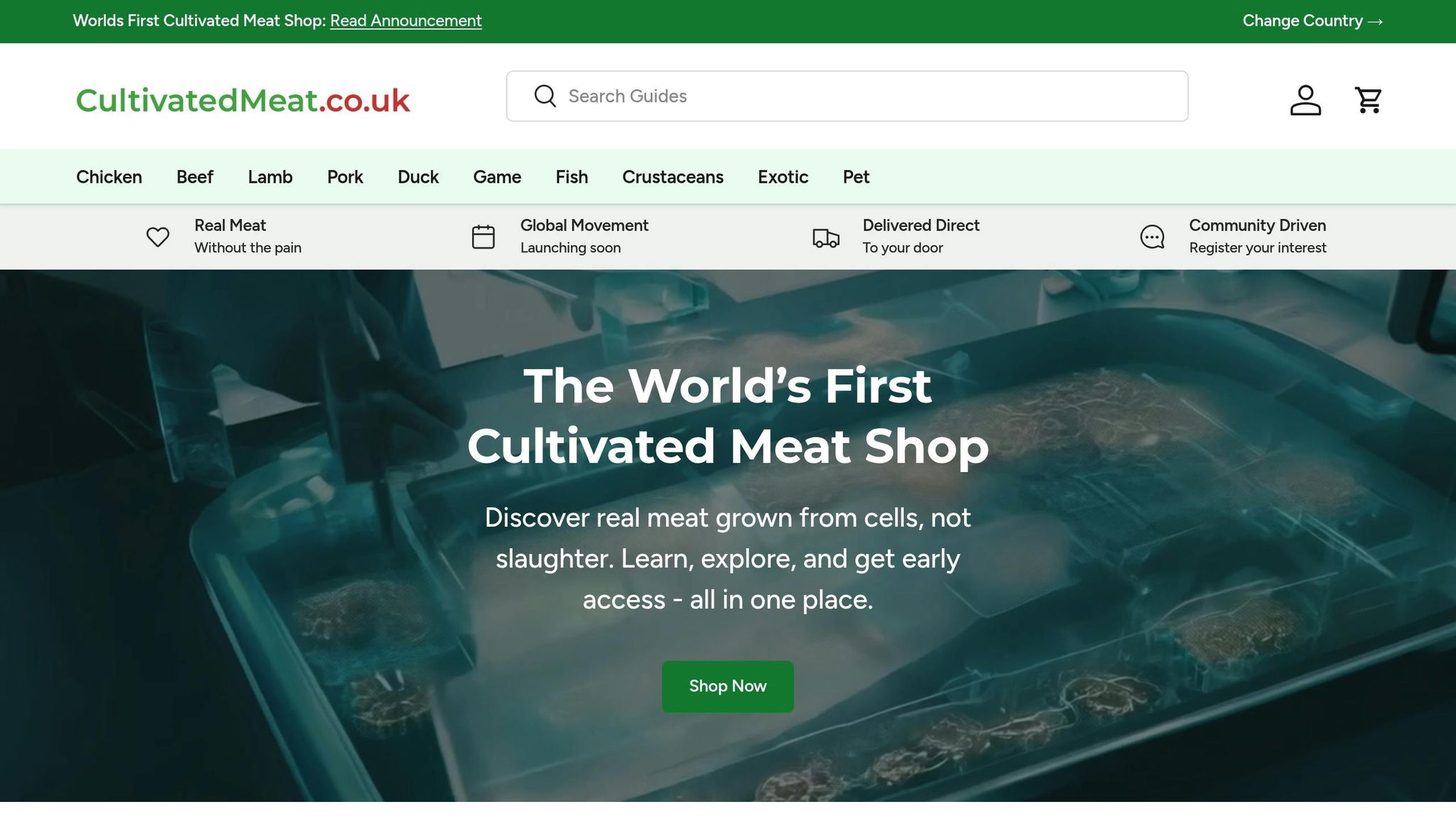
TikTok is great for sparking curiosity and emotional engagement through short, entertaining videos. But once people’s interest is piqued, they need a place to dive deeper. That’s where Cultivated Meat Shop comes in, offering a complementary role in educating consumers.
After watching a TikTok video introducing Cultivated Meat, viewers can visit Cultivated Meat Shop for detailed, UK-specific information. The platform provides science-backed insights on product types, taste, availability timelines, health benefits, and sustainability impacts. This is crucial, as many consumers remain uncertain about how Cultivated Meat compares to traditional meat in terms of taste and texture [1].
What sets Cultivated Meat Shop apart is its localisation. Instead of generic global content, it offers details tailored to British consumers, like pricing in pounds, local availability, and context that aligns with UK food preferences. This makes the concept feel more relatable and practical for everyday choices.
The platform also includes tools like waitlist sign-ups and product previews to turn interest into action. When TikTok creators direct viewers to Cultivated Meat Shop, they provide a clear next step, converting passive curiosity into active engagement. This approach captures consumers who are eager to prepare for Cultivated Meat’s arrival in the UK.
Transparency is another strength. Cultivated Meat Shop openly acknowledges that products aren’t yet available for purchase and updates users on industry progress. This honesty helps build trust, especially in a market where consumers are increasingly wary of exaggerated claims and greenwashing.
Future Opportunities on TikTok
As Cultivated Meat gets closer to hitting UK shelves, TikTok offers even more opportunities for education and advocacy. The platform’s algorithm rewards authentic, engaging content over polished ads, making it ideal for creative storytelling that feels genuine.
Collaborating with influencers can amplify these efforts. Prioritise authenticity and audience alignment over sheer follower numbers. Health and wellness creators, environmental advocates, and food scientists can effectively communicate the benefits that resonate most with their audiences. Micro-influencers, with 10,000 to 100,000 followers, often generate higher engagement and trust than larger accounts. Allowing these creators the freedom to integrate Cultivated Meat into their natural content style - whether through cooking demos, sustainability discussions, or personal stories - can make the message more relatable.
Sustainability remains a powerful narrative, but it’s essential to tie it to personal benefits. While 47% of consumers are drawn to environmental messaging [1], research shows that purchase decisions often hinge on individual gains. On TikTok, this means blending sustainability with health, food security, or innovation. Visual storytelling - like animations or side-by-side comparisons of traditional farming versus Cultivated Meat production - can make these messages more compelling.
Addressing misconceptions head-on should also be a priority. Many people are unsure about the taste, nutrition, and production methods of Cultivated Meat. TikTok creators can tackle this with taste tests, comparisons to conventional meat, and testimonials from early adopters. These formats work well because they provide social proof, making abstract concepts more tangible. When creators share genuine reactions to trying Cultivated Meat, it builds confidence far better than technical explanations.
Demographic targeting is another critical factor. With 32% of Gen Z and 36% of millennials expressing strong interest in trying Cultivated Meat [1], campaigns should focus on these groups using trending audio, relatable creators, and sustainability-driven narratives. For older audiences, health benefits, food safety, and nutritional value should take centre stage, ideally through partnerships with health-focused creators.
To ensure success, organisations need to measure and refine their efforts. Tracking metrics like video views, reach, and engagement rates can reveal how well content connects with target audiences. Analysing comments can highlight whether perceptions are shifting positively or if new misconceptions are arising. Conversion metrics - such as clicks to Cultivated Meat Shop, waitlist sign-ups, or engagement with educational content - will show whether TikTok campaigns are turning awareness into action.
As Cultivated Meat edges closer to becoming a reality in the UK, TikTok’s role in shaping public conversations will only grow. The platform offers a unique chance to engage younger audiences who are open to food innovations, care about sustainability, and are curious about alternatives to traditional meat. By combining TikTok’s viral potential with the in-depth resources of Cultivated Meat Shop, advocates can build awareness and understanding, preparing UK consumers for a future where Cultivated Meat is a viable, everyday option.
Conclusion
TikTok is playing a major role in shaping how young people in the UK perceive Cultivated Meat. Through its bite-sized, engaging videos, the platform simplifies complex topics, making them easier to understand. Videos showcasing taste tests, sustainability comparisons, and behind-the-scenes processes help break down barriers and reduce scepticism around Cultivated Meat.
While TikTok generates buzz, reliable resources are crucial for those seeking a deeper understanding. The generational gap in how Cultivated Meat is received highlights TikTok's importance - it speaks directly to an audience that's open to embracing food innovation and sustainability. The platform's format allows creators to naturally combine messages about health, ethics, and environmental impact. For instance, a video explaining how Cultivated Meat eliminates the need for antibiotics not only addresses personal health concerns but also appeals to broader environmental priorities - exactly the kind of messaging that resonates with TikTok users.
Beyond the viral content, Cultivated Meat Shop provides the detailed, UK-specific information that sceptical consumers need. As the first consumer-focused platform dedicated to Cultivated Meat, it offers insights into what Cultivated Meat is, how it compares to traditional meat, and when it might hit UK shelves. By featuring product previews, waitlists, and evidence-based education, the platform bridges the gap between TikTok's buzz and informed decision-making.
For UK consumers navigating TikTok-driven discussions about Cultivated Meat, having a trusted source is increasingly important. The platform's transparent and approachable tone acknowledges that these products aren't yet widely available while keeping consumers updated on industry progress. This honesty builds trust in a market where exaggerated claims often dominate. When TikTok creators point their audience to Cultivated Meat Shop, they provide a clear next step, taking viewers from curiosity to informed action.
As Cultivated Meat edges closer to becoming an everyday reality in the UK, the combination of TikTok's viral influence and the educational depth of Cultivated Meat Shop will be key. Together, they are laying the groundwork for a future where Cultivated Meat is no longer a novelty but a practical choice that aligns with values like sustainability, health, and progress. What starts as a conversation on TikTok today could shape the everyday food choices of tomorrow.
FAQs
How does TikTok help change perceptions about cultivated meat?
TikTok is making waves in changing how people view cultivated meat, especially among younger audiences. By tapping into influencers and viral trends, the platform turns what might seem like a complicated topic into something fun and easy to digest. Creators use entertaining videos and relatable stories to simplify the science behind cultivated meat, showcase its advantages, and clear up common myths.
What makes TikTok stand out is its interactive vibe. Users can jump into discussions, ask questions, share their thoughts, and hear from creators they trust. This open dialogue helps make cultivated meat a more familiar and approachable concept, sparking curiosity and raising awareness about this forward-thinking food option.
How do TikTok influencers shape public views on cultivated meat?
TikTok influencers have become instrumental in shaping perceptions of cultivated meat, especially among younger generations. With their knack for creating engaging and imaginative content, they introduce the idea of cultivated meat in a way that feels relatable and approachable.
By sharing their own experiences, tackling common questions, and highlighting the environmental benefits and forward-thinking nature of cultivated meat, these influencers ignite curiosity and foster trust. Their ability to simplify complex topics transforms them into accessible and relatable discussions, inspiring more people to take an interest in this emerging food innovation.
How does TikTok help change perceptions of cultivated meat?
TikTok is playing a role in reshaping how people view cultivated meat by leveraging engaging and relatable content. Influencers on the platform can spotlight its authentic taste and texture, discuss its environmental advantages, and tackle common myths in a way that feels approachable and fun. With short, entertaining videos, they can break down the science behind cultivated meat, sparking curiosity, especially among younger audiences.
By sharing positive experiences and positioning cultivated meat as a practical and appealing choice, TikTok content has the potential to inspire more people to try and consider this forward-thinking food option.