Stem Cell Selection Challenges in Cultivated Meat
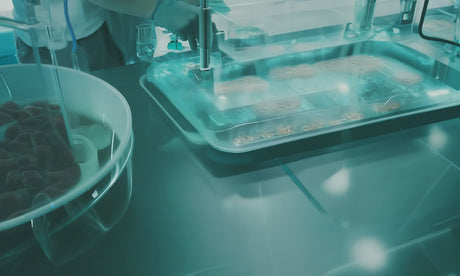
The cultivated meat industry is transforming how we produce meat, but selecting the right stem cells remains a major challenge. Here's why it matters: Stem cells are critical: They form...
Worlds First Cultivated Meat Shop: Read Announcement
The cultivated meat industry is transforming how we produce meat, but selecting the right stem cells remains a major challenge. Here's why it matters: Stem cells are critical: They form...
The growing demand for cultivated meat has spurred creative funding and community strategies. Companies like SuperMeat, Mosa Meat, and Cultivated Meat Shop have adopted distinct approaches to secure support and...
Entering regional markets with cultivated meat is challenging. It’s not just about having a great product - you need the right partner to navigate regulations, educate consumers, and manage logistics....
When it comes to cultivated meat, getting the fat (lipid) content right is critical. Fat isn't just about calories; it defines the flavour, texture, and nutritional value of meat. Traditional...
French cultivated meat company Gourmey has achieved a significant regulatory milestone in the United Kingdom, becoming the first cell-cultivated meat company to have its application validated by both the Food...
Endotoxin testing ensures the safety and quality of cultivated meat by detecting harmful bacterial molecules that can impact cell health and consumer safety. This process is essential for meeting strict...
Cultivated meat, grown from animal cells in controlled environments, offers an alternative to traditional meat production with reduced greenhouse gas emissions and land use. However, ensuring safety, transparency, and quality...
Understanding how UK consumers feel about cultivated meat reveals a mix of curiosity and hesitation. While 40% are open to trying it, concerns about safety, naturalness, and its impact on...
Traceability is essential for ensuring food safety, meeting regulations, and building trust in cultivated meat production. It helps track products through the supply chain, allowing for quick recalls and transparency....
Cultivated meat fits perfectly into the circular economy model by reducing waste, conserving resources, and cutting greenhouse gas emissions. It uses up to 95% less land, 78% less water, and...
Plastic bioreactors are transforming how cultivated meat is produced, enabling a shift from small-scale lab setups to large-scale manufacturing. These systems, often single-use, are made from advanced plastics and offer...
Want to make an impact in cultivated meat? Here's how to start an open-source project that matters. The cultivated meat industry has grown to over 175 companies with £2.5 billion...
Cultivated meat faces three big challenges: cost, scalability, and resource use. Growth media, the nutrient solution that feeds animal cells during production, makes up 55–95% of total costs. Some components,...
To overcome challenges like scaling production, regulatory approvals, and consumer trust, companies must collaborate effectively. The global cultivated meat market could reach £20 billion by 2030, but success depends on...
Cultivated meat offers a sustainable alternative to traditional meat, but its shelf life depends heavily on advanced packaging methods. Here’s a quick overview of seven techniques designed to maintain quality,...
Cultivated meat is changing how we produce and consume meat, offering a new way to enjoy familiar flavours while addressing ethical and environmental concerns. With over 175 companies and £2.5...
Aleph Farms is tackling the biggest challenge in cultivated meat production: high costs. Since 2020, they've reduced production costs by 97%, focusing on optimising processes, using animal-free growth factors, and...
The cultivated meat sector continues to evolve with significant developments over the past week spanning technical innovations, government support, and regulatory challenges. This roundup covers the most important news shaping...
Economies of scale are helping cultivated meat become more affordable by reducing production costs significantly. Currently, costs range from £12.50 to over £315,000 per kilogram, depending on the scale and...
Cultivated meat is changing how we think about nutrition. Unlike traditional meat, it can be designed to meet specific dietary needs. Here's what makes it stand out: Iron Advantage: Offers...
This lab-grown meat, made from animal cells without slaughter, offers a cleaner, more efficient, and ethical alternative to conventional meat. Here’s why it’s gaining traction: Environmental Impact: Cultivated meat could...